
Understanding Palm Oil Production in Malaysia
Overview of Malaysia’s palm oil industry — the world’s second-largest producer, production methods, sustainability challenges, and economic importance to the nation.
Read MoreUnderstanding Southeast Asia’s largest rubber producer and the forces reshaping this vital agricultural sector
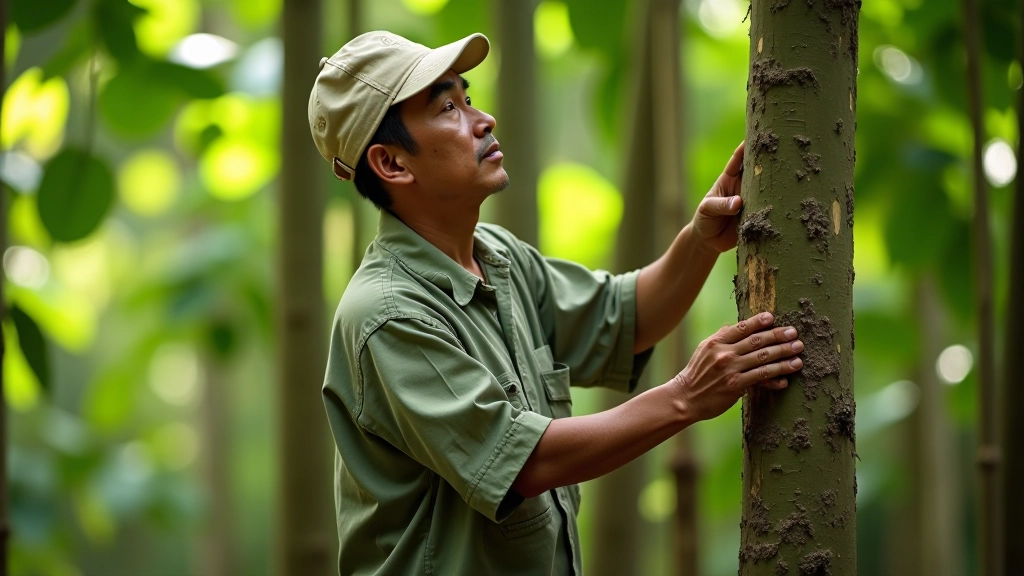
Malaysia isn’t just a rubber producer — it’s the world’s second-largest, right behind Thailand. For over a century, rubber tapping has been woven into the country’s agricultural fabric, supporting hundreds of thousands of farmers and shaping entire regional economies. But here’s what’s changing: global demand patterns are shifting, climate challenges are mounting, and new technologies are transforming how rubber’s processed and marketed.
We’re seeing trends that matter. Production volumes are fluctuating. Smallholder farmers — who produce about 85% of Malaysia’s rubber — are adapting to market pressures. And the industry’s facing real questions about sustainability and economic viability. Understanding these trends matters if you’re interested in agricultural economics, commodity trading, or Southeast Asia’s future.
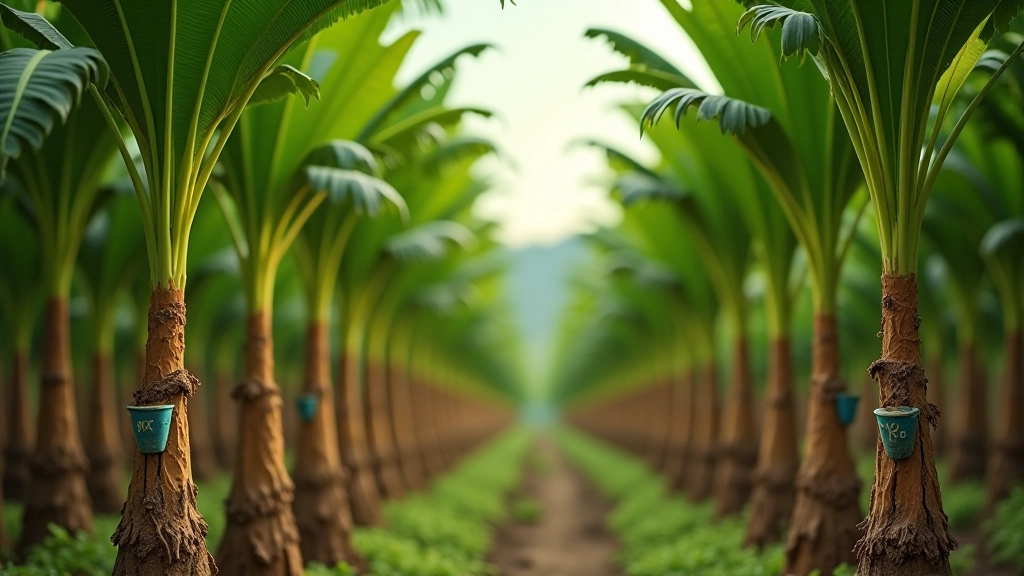
Malaysia produced roughly 3.2 million tonnes of rubber in recent years. That’s a significant volume, but it’s actually down from peak production levels reached in the early 2010s. The decline reflects several pressures: land conversion to palm oil plantations (which offer higher profit margins), aging rubber trees requiring replanting investments, and fluctuating global prices that make production less attractive during downturns.
The smallholder sector is particularly vulnerable. These aren’t massive commercial operations — they’re family farms averaging 1-3 hectares. When rubber prices drop, many farmers face tough choices: maintain trees that aren’t paying off, switch to other crops, or sell land to developers. That’s not just an economic issue. It’s about rural livelihoods and regional stability across states like Johor, Pahang, and Perak where rubber farming’s been fundamental for generations.
Large estates are adapting differently. They’ve invested in mechanization, better processing facilities, and quality improvements. But they’re also consolidating — fewer, larger operations replacing the scattered smallholder model. That’s changing the industry’s structure in real time.
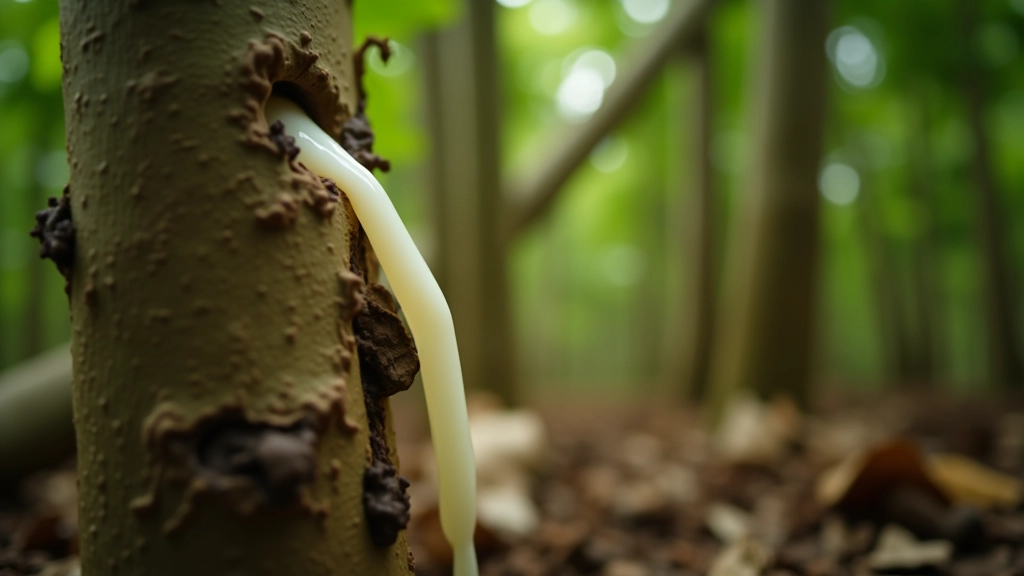
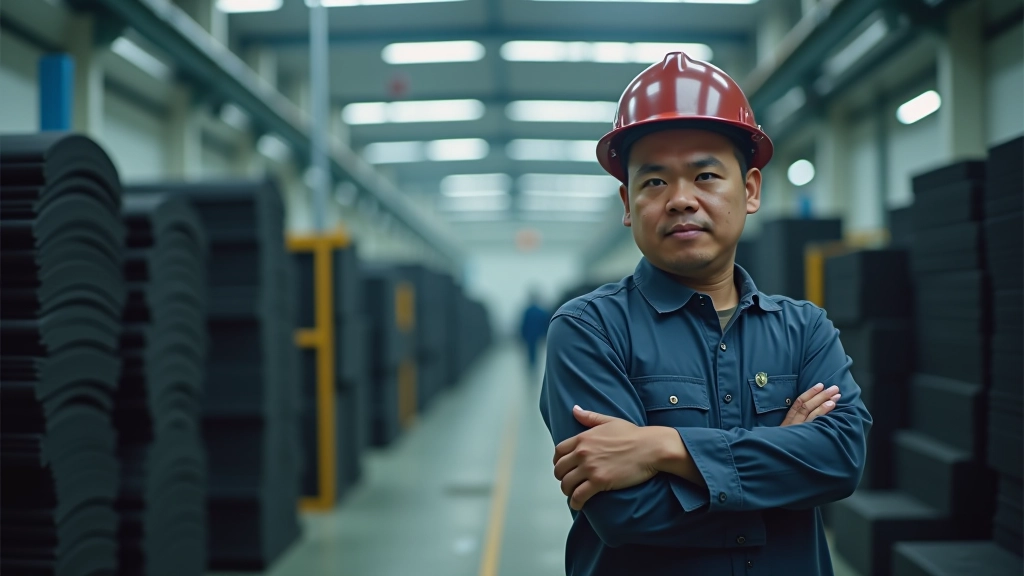
Rubber prices have been volatile. We’ve seen them swing from around $0.50 per kilogram to over $1.50 depending on global demand, currency fluctuations, and supply disruptions. These swings matter enormously to farmers. A price drop of 30% doesn’t just reduce profits — it can wipe them out entirely for marginal operations.
Demand comes primarily from tire manufacturing. That’s roughly 70% of natural rubber consumption globally. So when automotive production slows — like it did during economic downturns — rubber prices feel it immediately. The automotive sector’s shift toward electric vehicles is another variable worth watching. EVs don’t necessarily use less tire rubber, but production volumes and supply chains are changing, which affects pricing dynamics.
Synthetic rubber alternatives also factor in. As petrochemical prices fluctuate, the competitive balance between natural and synthetic rubber shifts. When oil prices spike, natural rubber becomes more attractive. When they drop, synthetics gain ground. That competition shapes Malaysia’s market position continuously.
The industry’s evolving. We’re seeing better tapping technologies — latex collection systems that reduce tree damage and increase yields. Intercropping experiments are showing promise too, where rubber trees grow alongside other crops, diversifying farm income and improving land use efficiency. Some farmers are combining rubber with cocoa, timber species, or medicinal plants.
Sustainability concerns are becoming mainstream. Environmental groups and international buyers are pushing for certification — proof that rubber’s grown responsibly without excessive forest clearing or pesticide use. That’s driving changes in farming practices. Regenerative approaches that rebuild soil health are gaining attention. It’s not universal yet, but the pressure’s real and increasing.
Key Development: The Malaysian Rubber Board’s been promoting precision agriculture — using data analytics and sensors to optimize tapping, predict pest issues, and manage water resources more efficiently. These technologies aren’t cheap upfront, but they’re improving yields by 15-20% for adopters.
Processing improvements matter too. Modern mills now produce different grades and specifications that command premium prices. Specialty products — like high-purity rubber for medical applications or modified natural rubber for specific industrial uses — offer better margins than commodity rubber. That’s driving investment in processing technology and quality control systems.
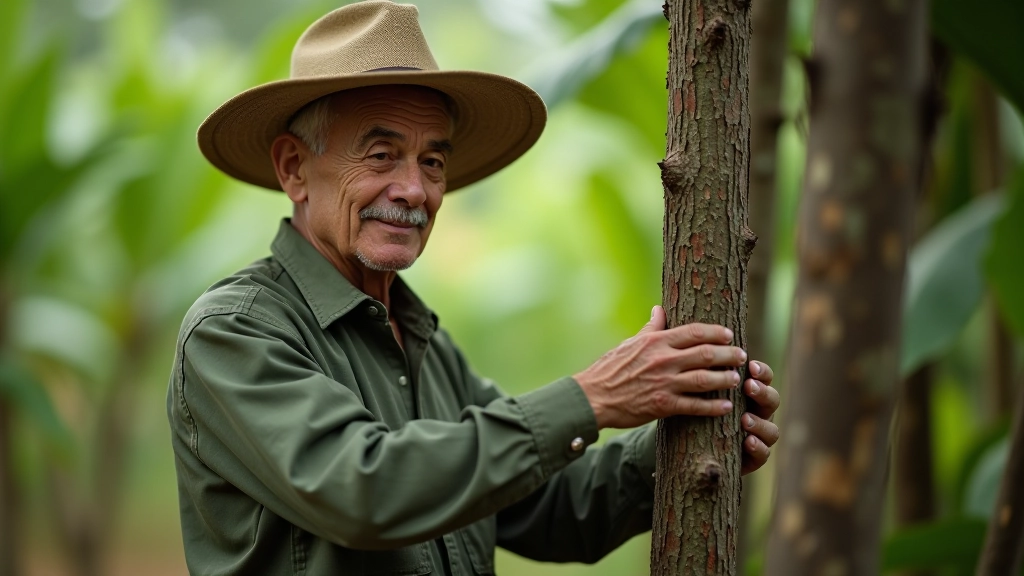
Several headwinds are shaping rubber’s future in Malaysia. Climate variability is increasing — heavier monsoons, unpredictable dry spells, and temperature fluctuations stress trees and complicate planning. Disease pressure’s intensifying too. South American Leaf Blight and other fungal diseases pose real threats if they spread to Malaysia’s plantations. Prevention through quarantine and resistant varieties is essential.
Labor shortages are real. Rubber tapping’s physically demanding work, and younger generations are moving to cities for different opportunities. That’s driving mechanization but also creating transition challenges for traditional farming communities. Training and supporting farmers through these shifts isn’t straightforward.
Land pressure’s another factor. As Malaysia’s economy grows, agricultural land gets converted to urban development, manufacturing, or more profitable crops. Rubber acreage has been declining — down from about 1.6 million hectares two decades ago to around 1.1 million hectares currently. That’s a significant contraction.
Looking ahead, the industry’s likely to consolidate further. Larger, more efficient operations will probably dominate. But there’s opportunity too. Growing interest in sustainable and certified rubber, specialty products, and integrated farming models could create new niches. The next decade will be about adaptation — finding ways to remain competitive while addressing environmental concerns and improving farmer economics.
Malaysia’s rubber output has declined from peak levels, with smallholder farmers feeling the pressure most acutely due to land conversion and price volatility.
Rubber prices remain volatile, tied closely to automotive demand and global economic conditions. Synthetic rubber competition adds another layer of uncertainty.
Technology and sustainability initiatives are reshaping the industry, offering pathways to improved efficiency and premium market positioning for early adopters.
Consolidation toward larger operations is accelerating, while sustainability pressures and climate challenges demand continuous adaptation from the entire sector.
This article provides educational information about rubber production trends in Malaysia for informational purposes only. The data, statistics, and market analysis presented reflect conditions as of March 2026 and are subject to change. Market prices, production volumes, and economic conditions fluctuate regularly based on global demand, currency exchange rates, and numerous other factors beyond any single country’s control. This content is not investment advice, economic forecasting, or guidance for business decisions. Agricultural and commodity markets are complex, and circumstances vary significantly by region, farm type, and individual situation. For specific decisions regarding rubber farming, investment, or trade, consult with agricultural experts, economists, or industry professionals with current market knowledge and understanding of your particular circumstances.
Overview of Malaysia’s palm oil industry — the world’s second-largest producer, production methods, sustainability challenges, and economic importance to the nation.
Read More
Exploring Malaysia’s food security strategies, agricultural policies supporting domestic production, and initiatives to strengthen regional food systems.
Read More
Analysis of how agriculture and agribusiness sectors contribute to Malaysia’s economy, employment figures, and strategic importance to national development.
Read More