
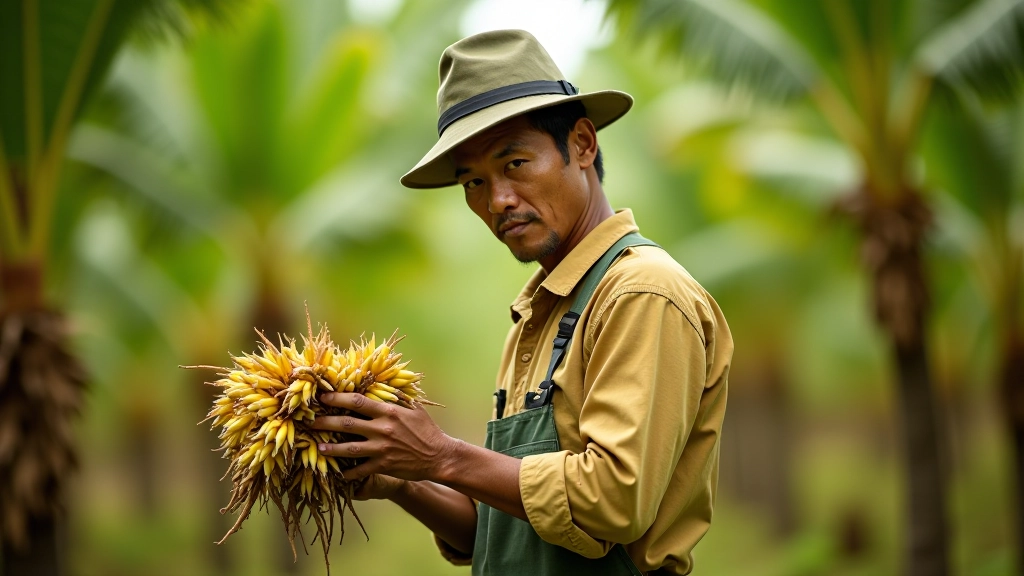
Understanding Palm Oil Production in Malaysia
Overview of Malaysia’s palm oil industry — the world’s second-largest producer, export volumes, sustainability practices, and economic impact on the nation.
Read Full ArticleExplore Malaysia’s palm oil production, rubber industry trends, food security initiatives, and the critical role of agribusiness in national GDP growth.
In-depth analysis of key agricultural commodities shaping Malaysia’s economic landscape.
Overview of Malaysia’s palm oil industry — the world’s second-largest producer, export volumes, sustainability practices, and economic impact on the nation.
Read Full Article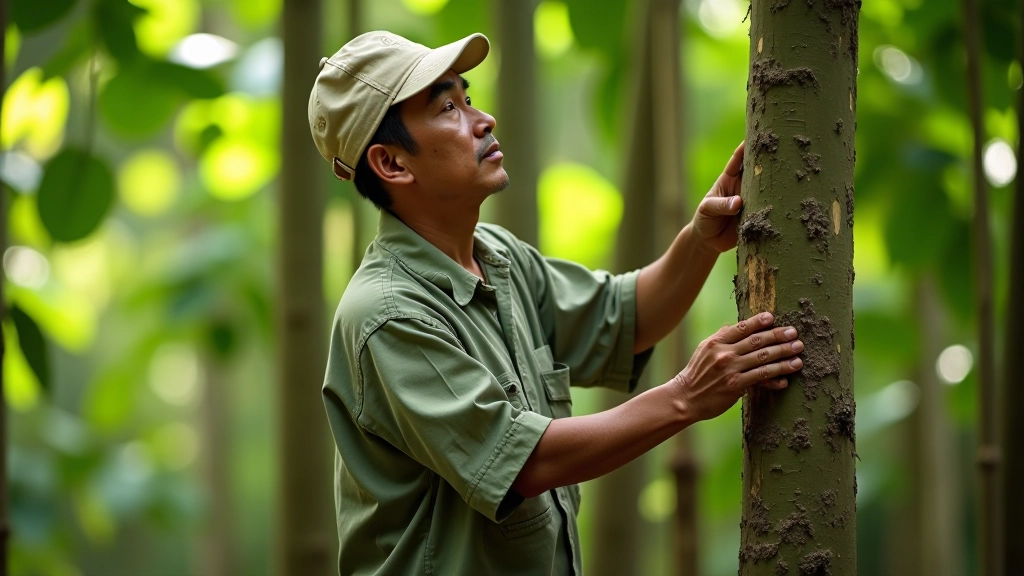
Historical evolution and current state of Malaysia’s rubber industry, production techniques, market dynamics, and contribution to global rubber supply chains.
Read Full Article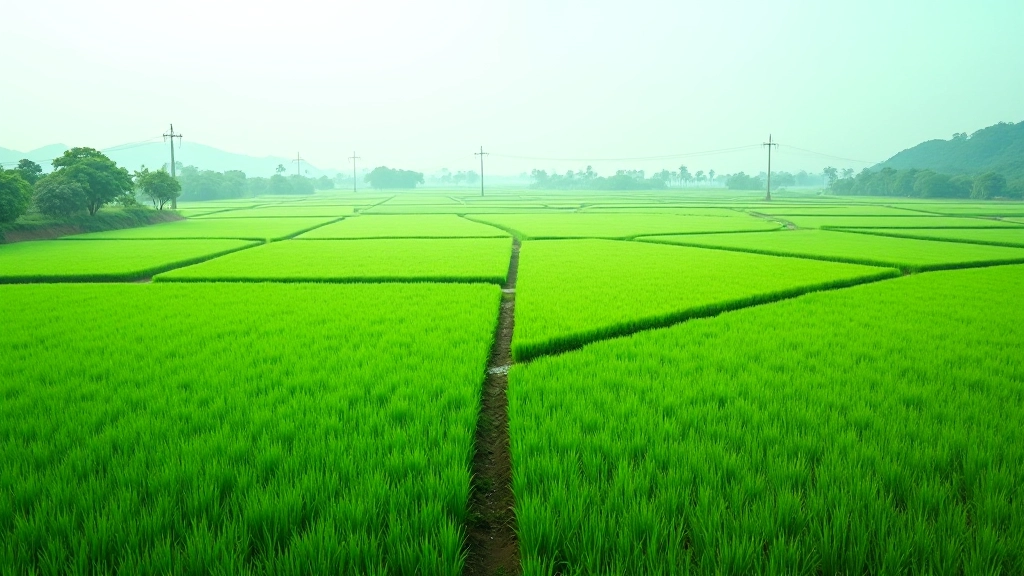
Government programs, policies, and initiatives aimed at ensuring food security, supporting local farmers, and promoting sustainable agricultural practices across Malaysia.
Read Full ArticleUnderstanding the sector’s structure, scale, and strategic importance to the national economy.
Malaysia’s agricultural sector remains one of the most significant contributors to the national economy. We’re talking about a sector that doesn’t just feed the nation — it drives substantial export revenue and employs millions across production, processing, and distribution networks.
The country’s geographical advantages, tropical climate, and established infrastructure have positioned Malaysia as a global leader in commodity production. From palm oil plantations spanning vast areas to rubber estates with decades of cultivation history, the sector has developed sophisticated supply chains that reach international markets.
What makes this sector unique isn’t just its scale. It’s the integration of modern agricultural techniques with traditional knowledge, the investment in research and development, and the ongoing commitment to sustainability. Government policies and private sector initiatives work together to ensure that agricultural production remains economically viable while addressing environmental and social considerations.
The data tells the story clearly. With over 2.7 million hectares under cultivation, annual output exceeding $43 billion, and contribution to GDP reaching 8.2%, agriculture remains strategically vital. Yet challenges exist — market volatility, climate variability, labor availability, and the need for continuous modernization shape the sector’s evolution.

The primary products that define Malaysia’s agricultural output and export portfolio.
World’s second-largest producer. Palm oil dominates Malaysia’s agricultural exports, serving industries from food processing to biofuels. Production spans millions of hectares with both large estates and smallholder farms.
Traditional stronghold with declining but stable production. Rubber remains important for automotive, industrial, and consumer products. Estate management and smallholder integration continue to evolve.
Rice, corn, fruits, and vegetables support domestic food security. Government initiatives promote local production to reduce import dependency and ensure stable food supply for growing population.
Growing sector in both marine and freshwater production. Aquaculture development provides protein security and employment. Sustainable fishing practices balance productivity with environmental protection.
Cocoa, coconut, spices, and tropical fruits represent niche but valuable production areas. These crops often command premium prices and support smallholder livelihoods in specific regions.
Sustainable forestry practices balance timber production with forest conservation. Certified sustainable timber products maintain market access while supporting environmental objectives and rural communities.
How the agricultural sector drives Malaysia’s economic development and international competitiveness.

Agriculture contributes approximately 8.2% to Malaysia’s national GDP, translating to over $43 billion annually. This isn’t a small number — it represents one of the economy’s most significant sectors. The sector generates substantial government revenue through taxes, export duties, and licensing fees that fund public services and infrastructure development.
Direct and indirect employment in agriculture, agribusiness, and related services reaches into the millions. We’re talking about farm workers, estate managers, processing plant operators, logistics professionals, and countless others whose livelihoods depend on agricultural productivity. Rural communities particularly rely on agricultural income for economic survival and development.
Agricultural exports rank among Malaysia’s top revenue sources internationally. Palm oil alone generates billions in annual export earnings. These exports bring foreign exchange into the country, supporting currency stability and enabling imports of goods Malaysia can’t produce domestically. International market access remains crucial for sector sustainability.
Agriculture drives development across supply chains. Processing facilities, packaging manufacturers, logistics companies, and export traders all depend on agricultural output. This vertical integration multiplies the sector’s economic impact far beyond farm-gate production, creating complex value chains that employ diverse skill sets.
Beyond economic metrics, agriculture ensures national food security. Local production reduces import dependency, stabilizes food prices, and provides resilience against global supply disruptions. Government policy increasingly emphasizes self-sufficiency in critical food items, making domestic agricultural capacity a strategic asset.
Common questions about Malaysia’s agricultural sector, commodities, and economic role.
Malaysia is the world’s second-largest palm oil producer, and the industry generates enormous export revenue — billions annually. The sector employs hundreds of thousands directly and millions indirectly through supply chains. Beyond economics, palm oil plantations utilize significant land area, making them central to Malaysia’s land use strategy and rural development.
Agriculture and agribusiness contribute approximately 8.2% to Malaysia’s national GDP, representing over $43 billion in annual output. While this percentage has declined over decades as manufacturing and services sectors expanded, agriculture remains strategically vital. The sector’s importance extends beyond GDP percentage — it provides employment, food security, and export earnings that benefit the entire economy.
Malaysia remains a significant natural rubber producer, though production has declined from historical peaks. The industry remains economically important and strategically significant for global rubber supply chains. Many estates continue operations, though some land has shifted to other uses like palm oil. The government supports rubber industry modernization and sustainability improvements.
Food security involves multiple strategies: promoting domestic production of rice, corn, and vegetables; developing aquaculture; maintaining strategic food reserves; and managing import diversification. Government initiatives support local farmers, encourage modern farming techniques, and invest in agricultural research. Despite rapid urbanization, maintaining productive farmland remains a policy priority.
Sustainability focus has increased significantly across the sector. Initiatives include certification schemes for sustainable palm oil and timber, water management improvements, reduced chemical inputs, soil conservation, and biodiversity protection. Both government regulations and international market demands push operators toward more sustainable practices. Many estates implement environmental monitoring and community engagement programs.
Direct agricultural employment reaches into the hundreds of thousands, while indirect employment through processing, logistics, trading, and related services extends to millions. The sector’s workforce is diverse — estate workers, smallholder farmers, technicians, managers, and professionals across the supply chain. Rural communities particularly depend on agricultural employment for economic survival.
Get comprehensive information about palm oil production, rubber industry trends, food security initiatives, and how agribusiness drives Malaysia’s economic growth.
Knowledge base and guides for understanding Malaysia’s agricultural economics.
In-depth articles covering commodity production, economic impact, sustainability practices, and industry trends. We’ve written detailed explanations of how each sector operates and contributes to the broader economy.
Read GuidesStatistical information about production volumes, export figures, GDP contributions, employment numbers, and market trends. Data-driven insights help you understand the sector’s scale and economic significance.
Explore DataInformation about government policies, sustainability initiatives, certification schemes, and environmental management practices. Understanding policy context is crucial for comprehending sector direction and future challenges.
Learn More