Food Security Initiatives & Agricultural Development
Exploring Malaysia’s comprehensive approach to strengthening food production, enhancing agricultural sustainability, and building resilient food systems for a growing nation.
Understanding Food Security in Malaysia
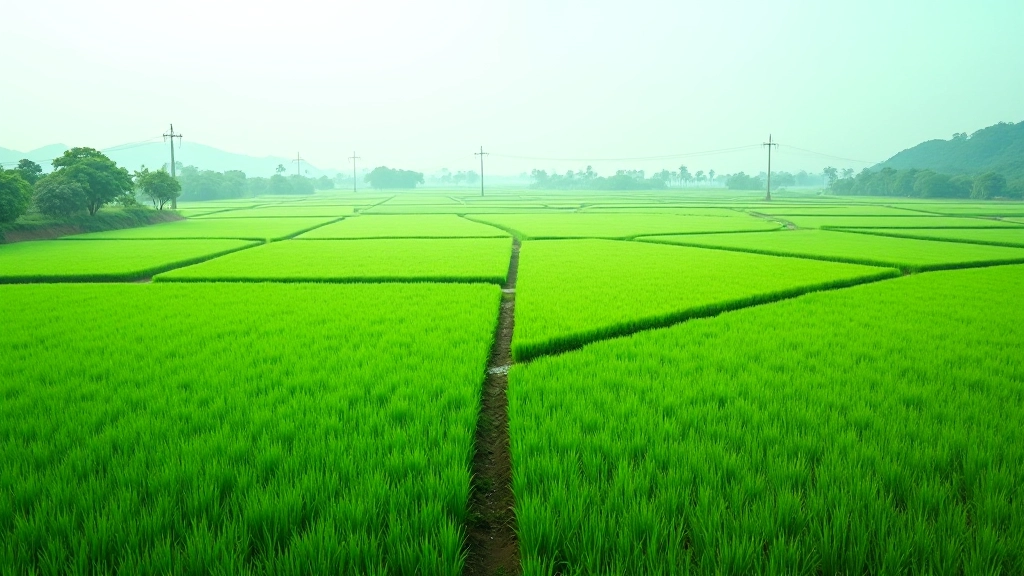
Food security isn’t just about having enough to eat — it’s about ensuring everyone has consistent access to nutritious, affordable food. Malaysia’s growing population and urbanization have created both challenges and opportunities for agricultural development. The country’s commitment to strengthening its food systems reflects a deeper understanding that sustainable agriculture drives economic growth, employment, and national resilience.
Over the past decade, Malaysian policymakers have recognized that diversifying agricultural production beyond traditional export crops is essential. With palm oil and rubber historically dominating the sector, there’s now a strategic push toward developing local food production capabilities. This shift ensures the nation can meet domestic demand while reducing dependency on food imports, which currently account for roughly 30-40% of the country’s total food consumption.
Agricultural Development Strategies
Malaysia’s agricultural development framework encompasses several interconnected strategies. The government’s initiatives focus on modernizing farming practices, investing in agricultural technology, and supporting smallholder farmers who form the backbone of local food production. These aren’t abstract policy goals — they’re tangible programs that’re changing how farming works across the country.
Technology Integration
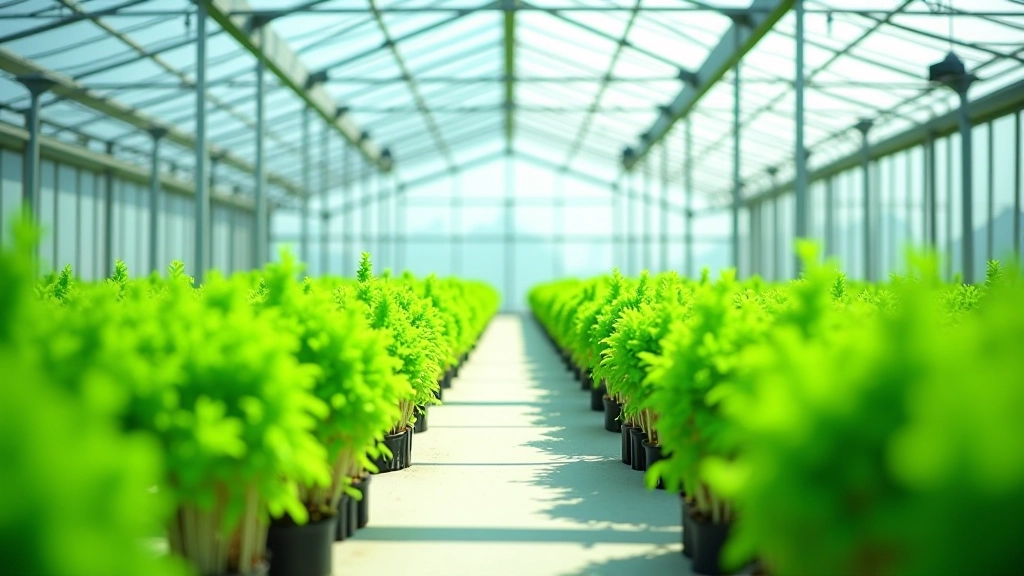
Precision farming, soil sensors, and data-driven irrigation systems help farmers optimize yields while conserving water. These technologies aren’t expensive luxuries — they’re becoming accessible to medium and small-scale producers.
Land Management
Strategic allocation of agricultural land ensures productive areas remain available for food crops. Zoning policies protect farmland from urban sprawl while identifying underutilized areas for development.
Supply Chain Efficiency
Better logistics networks connect farmers directly to markets, reducing waste and keeping prices reasonable. Cold chain infrastructure ensures produce stays fresh from farm to consumer.
Commodity Production & Food Crops
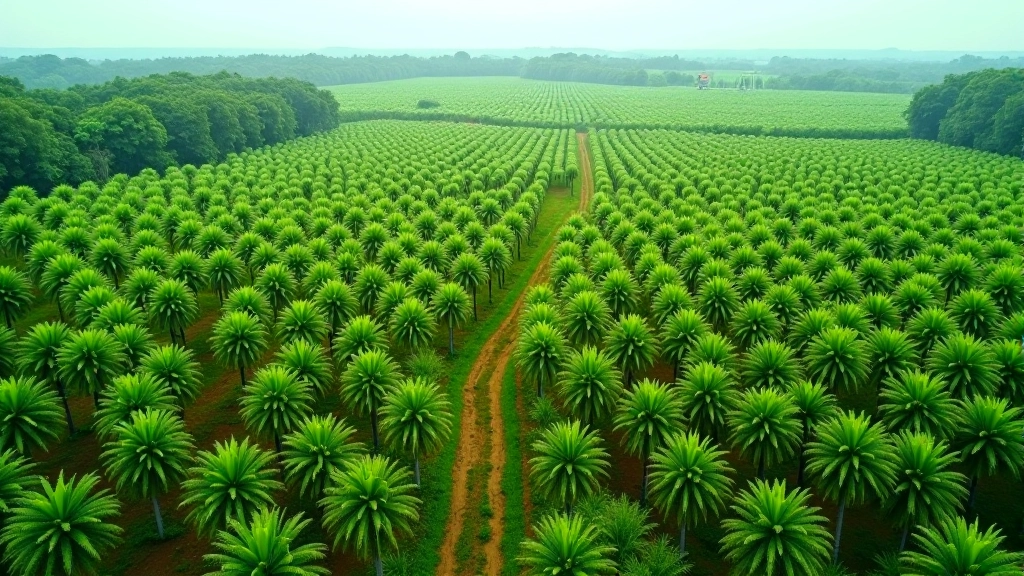
Malaysia’s agricultural output is substantial. The country produces roughly 1.9 million tonnes of palm oil annually, making it the world’s second-largest producer. But here’s what often gets overlooked: Malaysia also produces significant quantities of rice, maize, vegetables, and tropical fruits. The challenge isn’t production capacity — it’s balancing export-oriented commodities with domestic food security.
Rice production, while substantial, doesn’t fully meet domestic demand. The country imports around 40% of its rice requirements. This gap has driven government initiatives to increase local rice farming through subsidies, improved irrigation, and research into higher-yielding varieties. Rubber production, another major commodity, has faced volatile global prices but continues providing income for thousands of smallholder farmers. The key is ensuring that commodity exports don’t undermine the nation’s ability to feed itself.
“Food security and agricultural prosperity aren’t competing goals — they’re interconnected. When farmers have profitable options and access to modern techniques, everyone benefits.”
— Agricultural Economics Perspective, 2026
Key Food Security Initiatives
Malaysia’s government and private sector are implementing concrete programs to strengthen food systems.
Agribusiness Modernization
The government supports commercial farms in adopting mechanization, automation, and digital farming tools. These investments increase productivity while reducing labor costs, making local food production more competitive.
Farmer Training Programs
Comprehensive education initiatives teach farmers about sustainable practices, crop rotation, pest management, and market access. Knowledge transfer ensures farming remains viable for new generations.
Research & Development
Investment in crop research produces disease-resistant varieties, drought-tolerant strains, and higher-yielding cultivars. R&D spending has increased significantly to address climate adaptation challenges.
Market Linkages
Programs connecting smallholders to buyers, processors, and retailers eliminate middlemen and ensure farmers receive fair prices. Digital platforms reduce transaction costs and improve market transparency.
Water Management
Irrigation infrastructure investments ensure consistent water supply during dry seasons. Rainwater harvesting and efficient systems maximize resource utilization in agricultural areas.
Data-Driven Planning
Agricultural databases track production trends, identify gaps, and forecast future needs. Evidence-based policymaking helps allocate resources where they’ll have maximum impact.
Agribusiness & Economic Impact
Agriculture contributes meaningfully to Malaysia’s GDP — around 8-10% of total economic output when you include agribusiness and related industries. That’s roughly 1.8-2.2 trillion Malaysian Ringgit in annual value. The sector employs over 1.6 million people, making it a significant employment engine for rural areas where alternative job opportunities are limited.
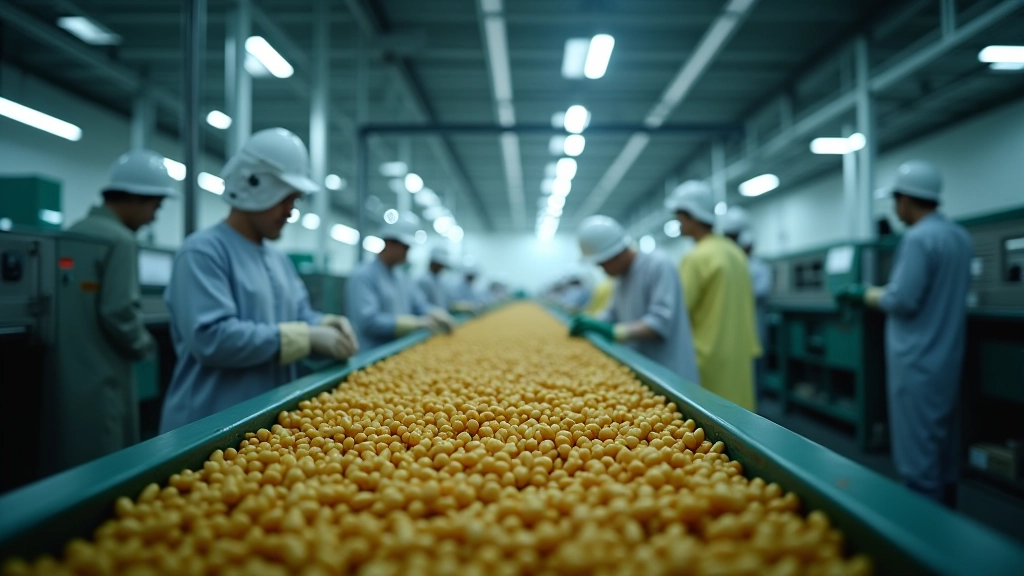
What’s changing is the composition of agricultural output. Export-focused commodities like palm oil and rubber remain important, but there’s a strategic shift toward value-added products. Processed agricultural goods, specialty crops, and organic farming are expanding. Food processing, which transforms raw agricultural products into consumer goods, has become increasingly important. These industries pay better wages and create more jobs per unit of agricultural output.
Challenges & Future Outlook
Understanding obstacles helps explain why food security requires sustained effort.
Climate variability poses real risks. Unpredictable rainfall patterns, flooding, and drought cycles make farming less predictable than in the past. Smallholder farmers, who lack resources for sophisticated adaptation, face the greatest vulnerability. Urban sprawl continuously reduces agricultural land — approximately 25,000 hectares of farmland are lost annually to development. That’s land that’ll never produce food again.
Labor shortages have become persistent. Agricultural work is physically demanding and often poorly compensated compared to urban employment. Young people increasingly migrate to cities, leaving fewer workers to maintain farms. Mechanization helps, but it’s expensive and not feasible for all farm types. International trade dynamics also complicate things — global commodity prices fluctuate beyond Malaysia’s control, affecting farmer incomes and investment capacity.
Despite these challenges, the trajectory is positive. Technology adoption accelerates, research continues yielding improvements, and policy support strengthens. The vision is clear: a food system that’s productive, sustainable, and resilient. It won’t happen overnight, but the initiatives underway are moving Malaysia in that direction.
Building a Resilient Food Future
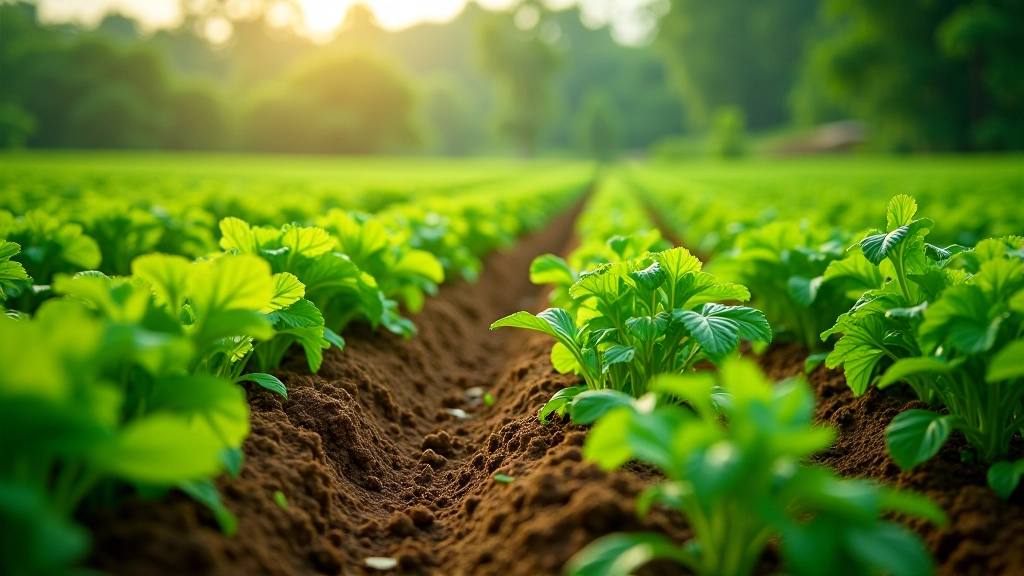
Food security isn’t a single project you complete and forget about — it’s an ongoing commitment that requires continuous attention, investment, and adaptation. Malaysia’s approach demonstrates that combining traditional farming knowledge with modern technology, supporting farmers with training and market access, and maintaining strategic focus on both exports and domestic food production creates a balanced system.
The initiatives we’ve explored — from technology integration to farmer training to market linkages — don’t work in isolation. They’re interdependent pieces of a larger strategy. When farmers have access to better seeds, improved irrigation, and fair market prices, productivity increases. When productivity increases, food becomes more abundant and affordable. When food is abundant and affordable, food security improves. That’s how systems work.
For Malaysia, the stakes are clear. A growing population, limited arable land, and global market uncertainties mean that developing a robust, productive agricultural sector isn’t optional — it’s essential. The good news? The country’s already moving in the right direction. Continued investment, policy support, and farmer engagement will determine whether Malaysia achieves genuine food security for all its citizens. The foundation’s been laid. Now it’s about building on it steadily and sustainably.
Disclaimer
This article provides educational information about Malaysia’s agricultural sector and food security initiatives. While we’ve drawn from publicly available data and agricultural research, specific statistics and policy details may vary depending on the source and publication date. Agricultural policies, production figures, and economic data change over time. For current official information, consult Malaysia’s Ministry of Agriculture and Food Industries or recent government publications. This content is intended to inform and educate, not to provide specific policy recommendations or agricultural business advice.
Related Articles