Agribusiness Contribution to Malaysia’s GDP
Understanding how agriculture drives Malaysia’s economy through palm oil, rubber, and sustainable food production initiatives

Why Agriculture Matters to Malaysia
Malaysia’s agribusiness sector isn’t just about farming — it’s a powerhouse that drives national economic growth. The sector contributes roughly 8-9% of the country’s GDP, employing over 1.7 million people across production, processing, and distribution. What makes this particularly impressive is how the industry has evolved from traditional smallholder farming into a sophisticated, export-oriented system that competes globally.
The real story here involves three major components: palm oil dominates export revenue, rubber maintains a steady presence in global markets, and newer food security initiatives are reshaping domestic agricultural priorities. Understanding these dynamics helps explain Malaysia’s economic resilience and its position as a critical player in global agricultural supply chains.
Palm Oil: The Economic Backbone
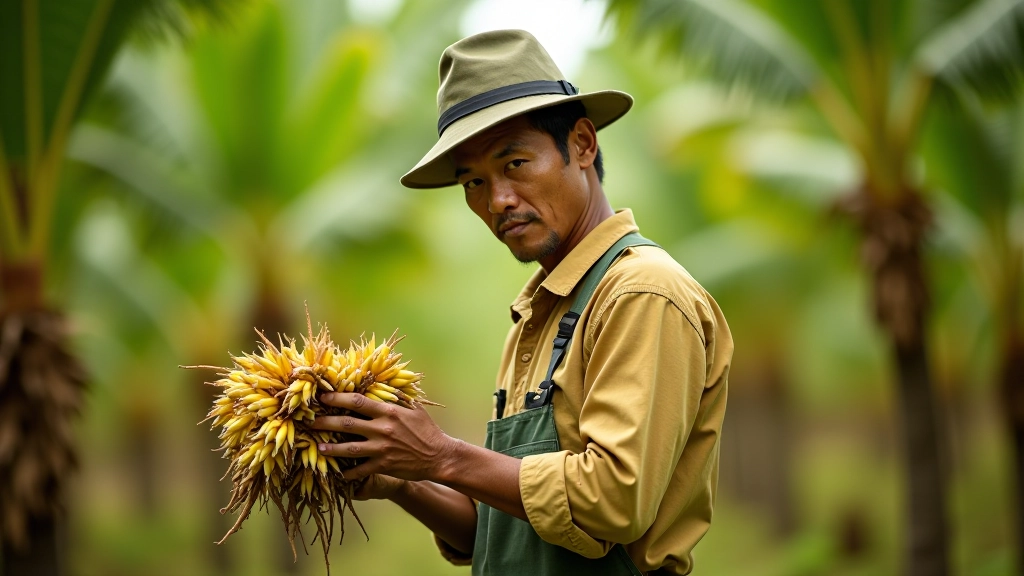
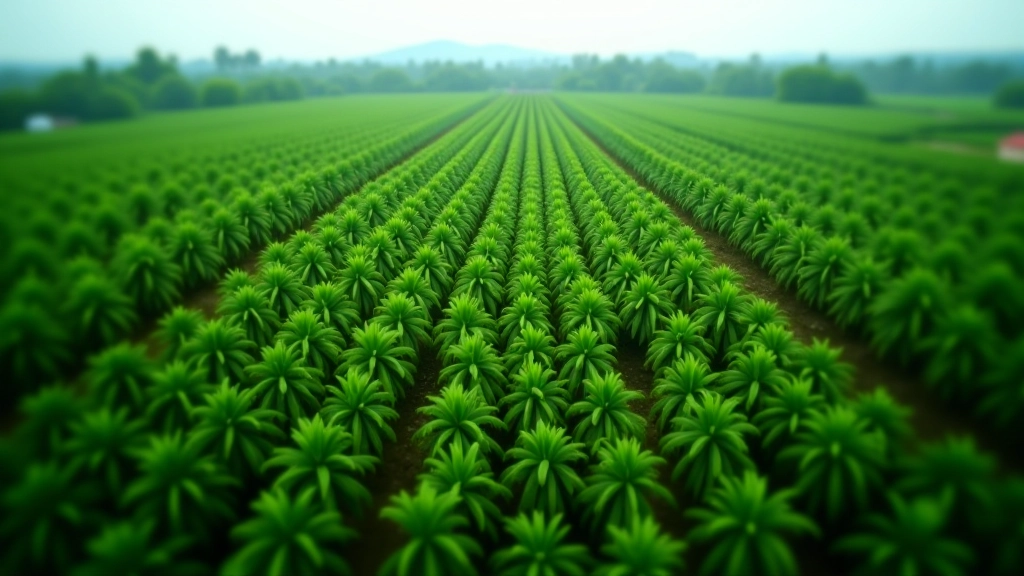
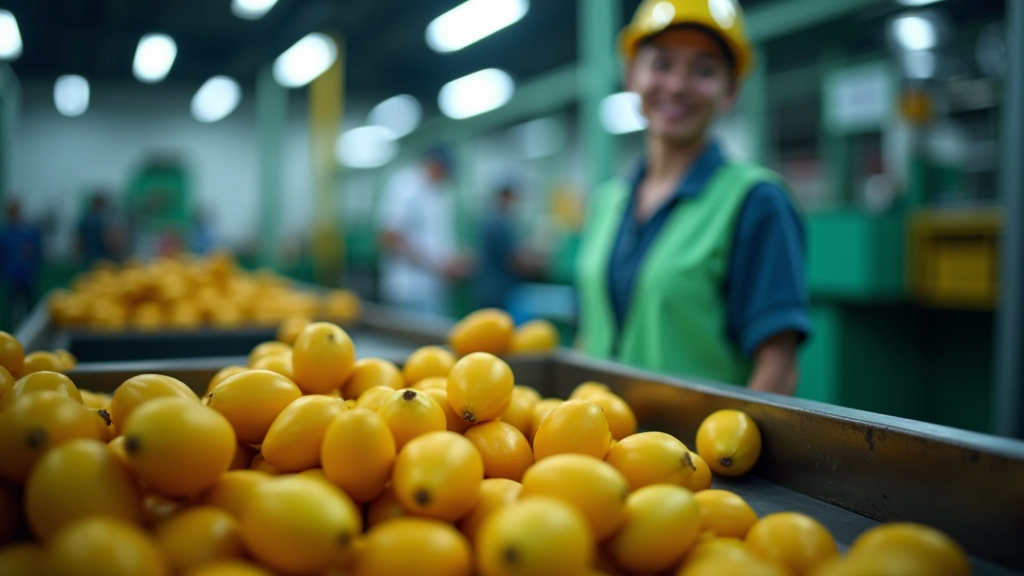
It’s hard to overstate palm oil’s importance to Malaysia’s economy. The country produces roughly 35% of the world’s palm oil and accounts for about 40% of global exports. In 2025, the sector generated approximately RM 130 billion in revenue. That’s not just a number — it represents thousands of jobs, rural development, and sustained income for smallholder farmers across the country.
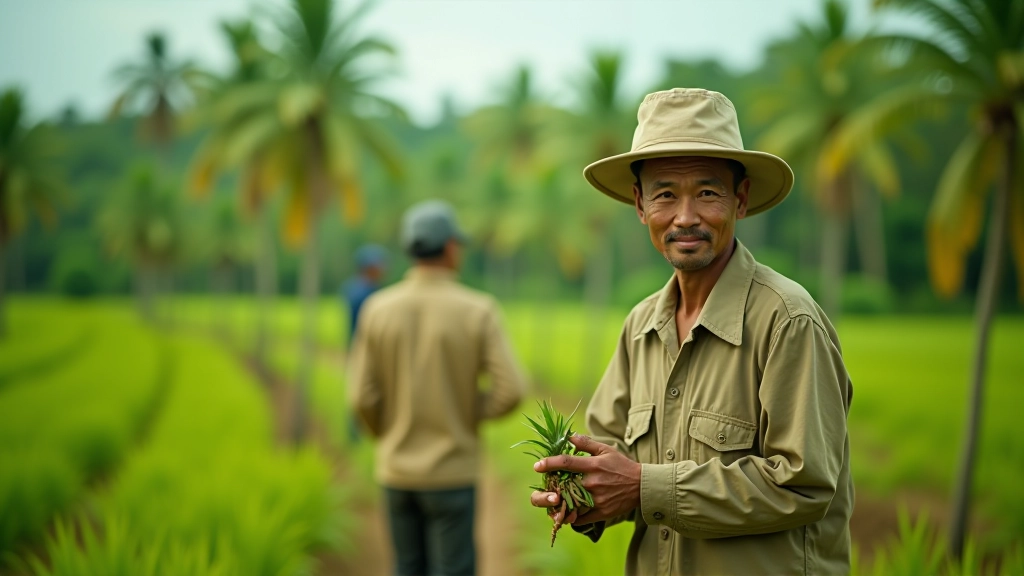
The industry’s structure is fascinating. You’ve got massive corporate estates — companies like Sime Darby, IOI, and Kuala Lumpur Kepong manage over 2.5 million hectares combined. But here’s what often gets overlooked: smallholder farmers work roughly 35% of Malaysia’s oil palm area. They’re not passive participants either. Through schemes like the Smallholder Replanting Scheme and improved extension services, these farmers are adopting better practices, increasing yields from around 3.5 tonnes per hectare to 4.2 tonnes in some regions.
Sustainability challenges are real though. The industry faces pressure on multiple fronts — environmental concerns about land use, certification requirements from international buyers, and competition from Indonesian producers. But Malaysia’s response has been systematic. Investments in research, development of more efficient processing methods, and adoption of sustainable farming practices show the sector isn’t just extracting value — it’s adapting to survive long-term.
Rubber Production: Steady and Strategic
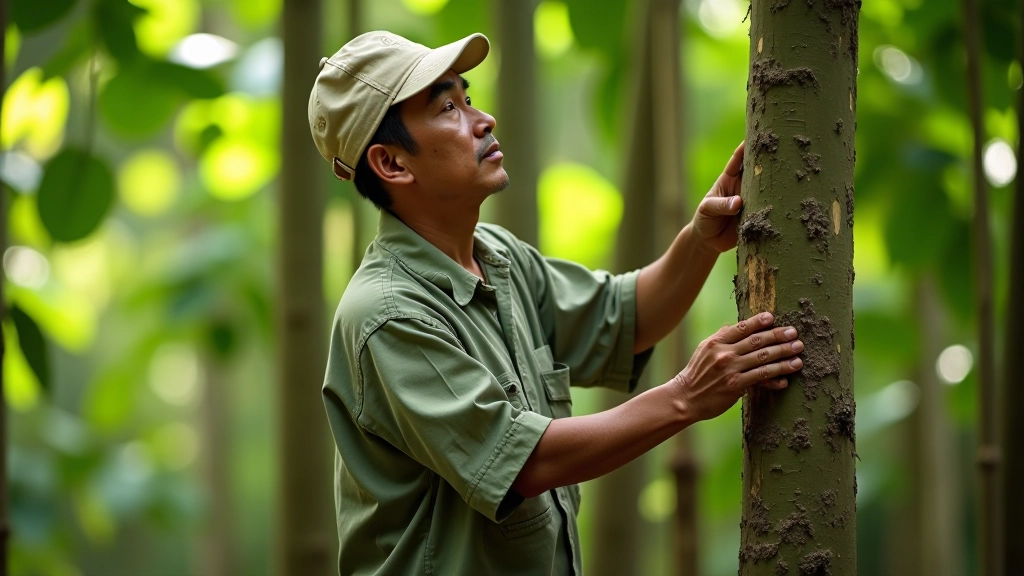
While palm oil grabs headlines, rubber remains a critical part of Malaysia’s agricultural portfolio. The country produces about 450,000 tonnes annually — ranking it among the top three global producers alongside Indonesia and Thailand. What’s interesting is how the industry has transformed. You’re not seeing the decline that many predicted twenty years ago. Instead, there’s been strategic consolidation and modernization.
Malaysia controls roughly 10% of global natural rubber production. Smallholder farmers operate about 60% of the planted area — around 1.1 million hectares. The price volatility is something growers have learned to manage through cooperatives, futures trading, and diversification. When natural rubber prices dipped in 2022-2023, many smallholders weren’t devastated because they’d already shifted land into mixed cropping or combined rubber with livestock operations.
The sector’s contribution to GDP runs approximately RM 8-10 billion annually. It’s not the explosive growth story that palm oil was in the 1990s, but it’s stable, employs substantial rural populations, and continues generating consistent export revenue. Recent investments in processing technology and higher-value rubber products — specialty grades for automotive, medical-grade latex — suggest the industry is moving up the value chain rather than just competing on volume.

Food Security & Agricultural Modernization
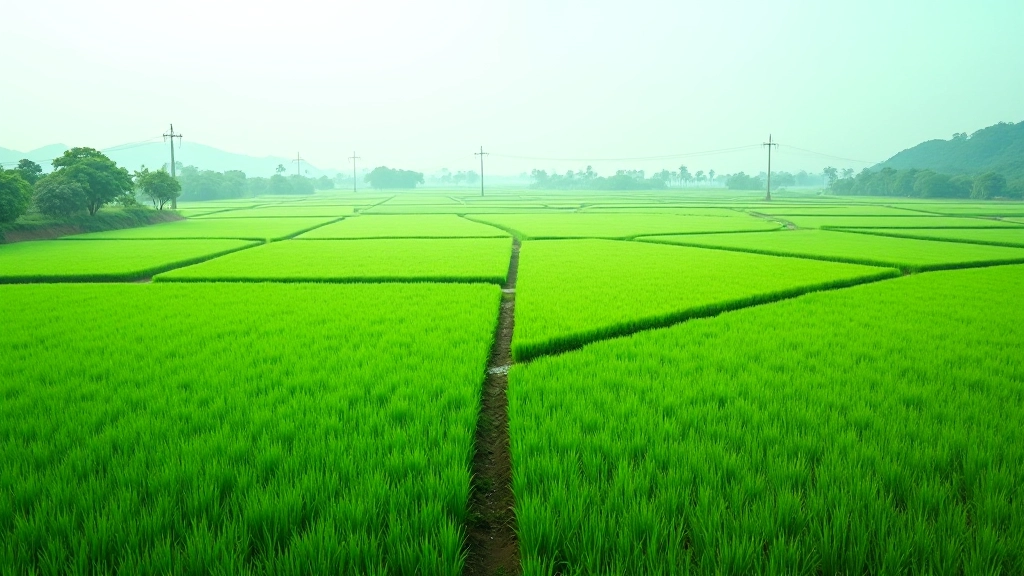
Here’s where Malaysia’s agricultural policy is shifting. The government launched the National Food Security and Agribusiness Blueprint 2021-2030, aiming to boost self-sufficiency in critical food categories. Currently, Malaysia imports about 60% of its food supply — a vulnerability that became apparent during global supply chain disruptions. The strategy targets specific crops: rice, chicken, beef, fish, and vegetables.
The government’s committed RM 3 billion to agricultural transformation initiatives. You’re seeing investment in urban farming, aquaculture expansion, and precision agriculture technologies. Modern glasshouses now dot the landscape around major cities, using hydroponic and aeroponic systems to produce vegetables year-round. Rice production — traditionally Malaysia’s food security concern — has seen productivity improvements through better irrigation management and improved seed varieties.
What’s happening is a fundamental shift in how Malaysia thinks about agriculture. It’s not abandoning export crops — those still drive GDP growth. Instead, it’s running two parallel strategies: maintaining global commodity export dominance while simultaneously building domestic production capacity for essential foods. This dual approach isn’t easy to execute, but it’s proving effective. Domestic food production increased about 12% from 2020 to 2025.
Direct Economic Contributions & Employment
GDP Contribution
The agribusiness sector contributes approximately RM 140-150 billion annually to Malaysia’s GDP, representing 8-9% of total economic output. This includes primary agriculture, food processing, agribusiness services, and related industries.
Employment Numbers
Over 1.7 million Malaysians work in agricultural production, processing, and distribution. This includes 500,000 smallholder farmers managing their own land, plus workers in value-added processing facilities and export operations.
Export Revenue
Agricultural exports generated approximately RM 65-70 billion in 2025. Palm oil represents about 60% of this, rubber roughly 12%, and processed food products make up the remainder, reaching markets across Asia, Europe, and North America.
Rural Development
Agribusiness provides essential income for rural communities across Malaysia. Smallholder farmers in Johor, Perak, and Sarawak depend on these commodities for household income. Agricultural development initiatives have reduced rural poverty rates significantly.
Navigating Challenges & Future Opportunities
The sector faces genuine headwinds. Climate change is already impacting yields — unpredictable rainfall patterns affect oil palm productivity, while temperature fluctuations create stress on rubber trees. Water scarcity in some regions is becoming a constraint. Labor shortages persist, with younger Malaysians moving toward urban employment. Agricultural wages haven’t kept pace with opportunities in manufacturing or services, making farm work less attractive.
Environmental sustainability remains contentious. International buyers increasingly demand certified sustainable production. Deforestation concerns, though Malaysia’s forest cover has actually stabilized in recent years, still trigger market access issues. The Roundtable on Sustainable Palm Oil (RSPO) certification now covers over 60% of Malaysian production, but expansion requires higher environmental standards that raise production costs.
But there’s real opportunity here. Precision agriculture — using drones, sensors, and data analytics — can boost yields while reducing input costs. A progressive farmer using soil moisture sensors and variable-rate fertilizer application can increase yields 15-20% while cutting costs 10-15%. Digital platforms are connecting smallholders directly to buyers, eliminating middlemen. Value addition through processing — turning crude palm oil into specialty products, or rubber into higher-grade materials — generates superior margins.
The Bottom Line
Malaysia’s agribusiness sector isn’t just an economic contributor — it’s a structural pillar of the national economy. With RM 140-150 billion in annual GDP contribution and over 1.7 million workers, agriculture remains essential even as Malaysia develops into a high-income country. The sector demonstrates remarkable adaptability, balancing export competitiveness with emerging food security priorities.
What’s particularly noteworthy is how the industry continues evolving. It’s not static. You’re seeing technology adoption, sustainability improvements, and strategic shifts toward higher-value products. Smallholder farmers aren’t disappearing — they’re being equipped with better tools, market access, and training. The food security initiatives represent a maturing recognition that domestic resilience matters as much as export dominance.
For policymakers, investors, and farmers alike, understanding these dynamics is crucial. Malaysia’s agricultural future won’t look like its past — more specialized, more technology-dependent, more focused on sustainability. But if the sector continues adapting at its current pace, it’ll remain a vital engine of economic growth and rural prosperity for decades ahead.
Information Disclaimer
This article presents educational information about Malaysia’s agribusiness sector and its economic contributions. The data, statistics, and analysis provided are intended for informational purposes only and reflect publicly available information current as of March 2026. Economic figures, production volumes, and policy details may change over time. For investment decisions, business planning, or policy matters, consult with relevant government agencies, agricultural economists, or industry specialists. We don’t provide economic forecasts or investment advice — our role is to help you understand how Malaysia’s agricultural sector contributes to the national economy.
Related Articles