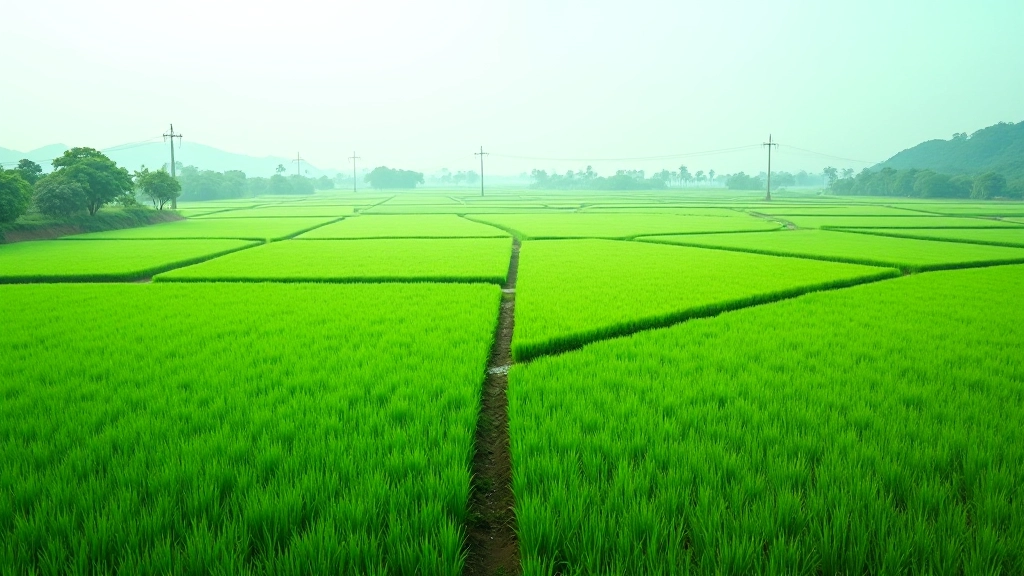
Understanding Palm Oil Production in Malaysia
How Malaysia became the world’s second-largest palm oil producer and the economic forces shaping the industry today.
A Global Agricultural Powerhouse
Malaysia’s role in global palm oil production isn’t accidental. It’s the result of decades of agricultural investment, climate advantage, and strategic positioning in international markets. The country produces roughly 40% of the world’s palm oil supply, making it second only to Indonesia. What started as a colonial-era experiment has transformed into one of Southeast Asia’s most significant economic sectors.
The story of Malaysian palm oil is really a story about how geography, economics, and agricultural innovation intersect. The tropical climate—consistent rainfall, year-round warmth, rich soil—creates ideal conditions for oil palm cultivation. But it’s not just about climate. It’s about the infrastructure, the research institutions, and the farmers who’ve refined techniques over generations to maximize yields while managing sustainability challenges.
How Production Works
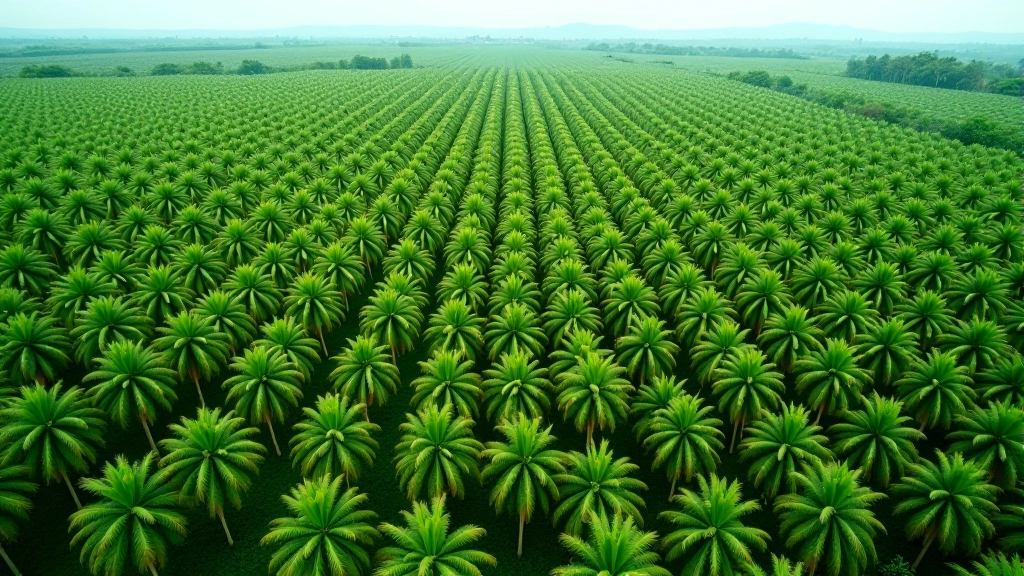
Oil palms don’t produce immediately. A tree takes about three to four years before yielding its first commercial harvest. Once mature, a single oil palm can produce fruit bunches year-round—roughly 20 to 25 metric tons of fresh fruit bunches per hectare annually. The process starts with pollination, usually handled by natural insect activity or occasionally assisted by human efforts in commercial operations.
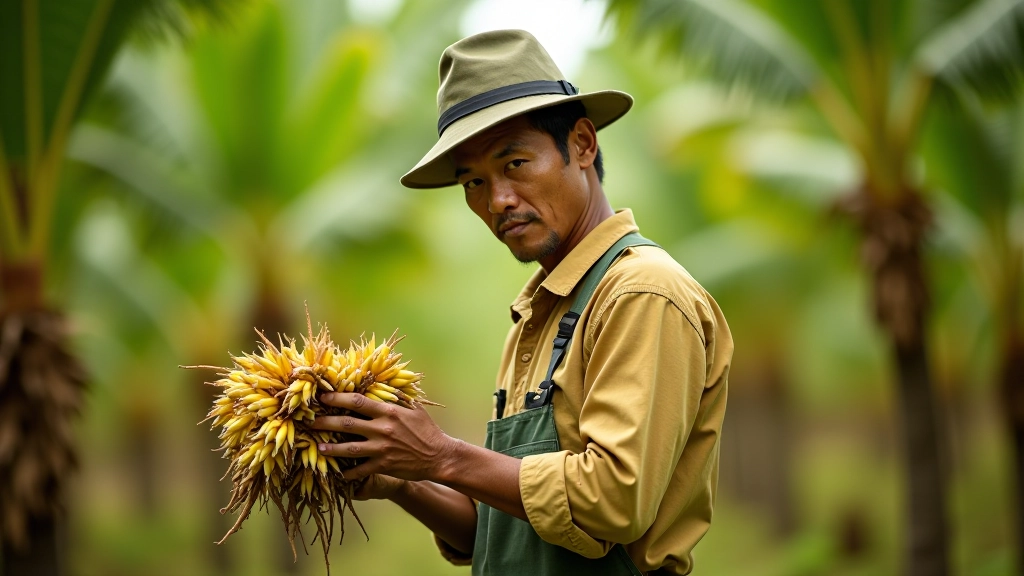
Harvesting requires precision. Workers use sharp machetes to cut fruit bunches—each one weighing between 5 and 25 kilograms. The timing matters enormously. Harvest too early and the oil content is low. Wait too long and overripe fruit loses quality. Most Malaysian operations harvest every 7 to 10 days, employing thousands of workers across plantations that can span thousands of hectares.
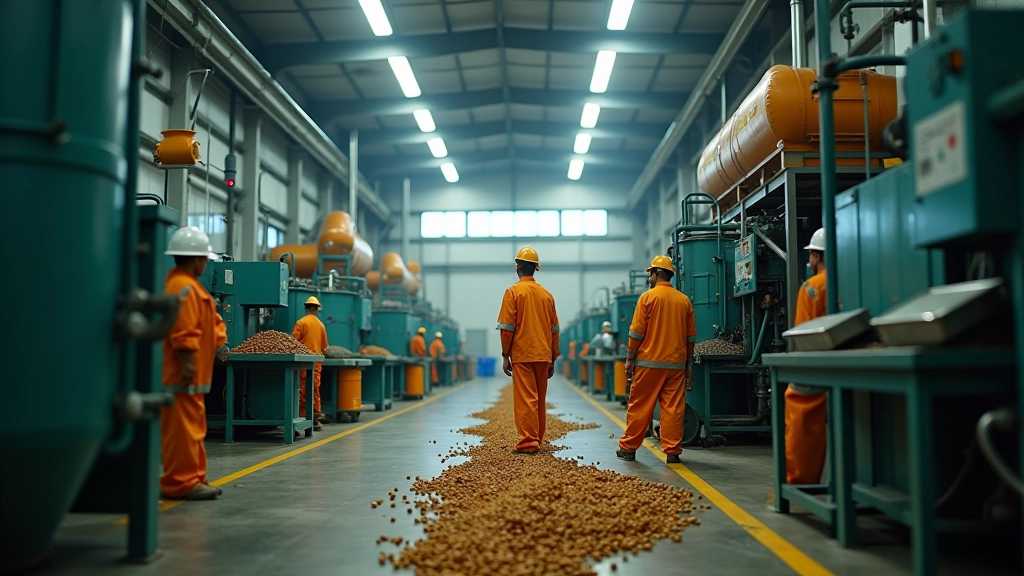
After harvesting comes processing. The fruit bunches move to mills where they’re sterilized, threshed, and pressed. Modern mills extract crude palm oil with efficiency rates exceeding 90%. It’s a capital-intensive operation—a single mill can cost $20 to $30 million to build and operate. But the economics work because demand remains consistently strong across food, cosmetics, and energy sectors.

Economic Impact on Malaysia
Palm oil contributes roughly $7 to $8 billion annually to Malaysia’s economy through direct export revenues. It’s not the largest sector—that belongs to petrochemicals and semiconductors—but it’s significant and deeply embedded in rural communities. About 500,000 people work directly in palm oil production, with another 2 million in supporting industries. For many rural areas, palm oil cultivation is the primary income source.
The export market drives everything. Malaysia ships roughly 18 to 19 million metric tons of palm oil and derivatives annually. India is the largest buyer, followed by the European Union and China. Prices fluctuate based on global supply, demand from food manufacturers, and speculation on commodity exchanges. A $50 swing in price per ton can mean hundreds of millions in revenue differences across the entire sector.
There’s also an important multiplier effect. Plantation companies buy equipment, hire contractors, invest in infrastructure. They purchase seeds, fertilizers, and pesticides from suppliers. Transportation companies move product to ports. Refineries add value through processing. Research institutions develop improved varieties. It’s an interconnected ecosystem that supports significant employment beyond the plantations themselves.
Sustainability and the Path Forward
Malaysia’s palm oil industry faces significant sustainability pressures. Environmental concerns about deforestation, biodiversity loss, and carbon emissions have shaped regulations and market demand. The Malaysian government and major producers have responded with certification programs, improved practices, and investment in sustainable farming techniques. It’s not perfect progress, but the direction matters.
Certified Sustainable Palm Oil
RSPO (Roundtable on Sustainable Palm Oil) certification requires producers to meet environmental and social standards. About 40% of Malaysian palm oil is now certified, up from nearly zero a decade ago. It’s not universal, but the trend shows growing commitment to responsible practices.
Water Management & Conservation
Modern mills implement water recycling systems and treatment protocols. Palm oil processing is water-intensive—mills use roughly 5 tons of water per ton of oil produced. Better management reduces waste and protects local water sources from pollution.
High Carbon Stock Land Protection
Malaysia’s High Carbon Stock (HCS) approach identifies and protects forests with significant carbon storage and biodiversity value. New plantations on HCS land are restricted, preserving natural ecosystems while allowing development on already-cleared land.
“Sustainability isn’t about stopping production. It’s about producing responsibly—protecting forests, managing water, respecting communities, and creating long-term viability for an industry that feeds global markets.”
Global Context and Alternatives
Palm oil’s dominance in global markets comes down to efficiency. An oil palm produces more oil per hectare than any competing crop—roughly 10 times more oil per land area than soybean farming. That efficiency matters for feeding a world population that’s approaching 8 billion people. Replacing palm oil with other oil crops would require significantly more agricultural land, which creates its own environmental pressures.
But there’s a real conversation happening about alternative oils and lab-based fats. Synthetic biology companies are developing fermentation-based oils. Algae-based systems show promise in controlled environments. The economics don’t yet favor these alternatives at scale, but they’re improving. The next decade could see meaningful shifts as technology costs decline and sustainability preferences drive consumer choices.
Malaysia’s challenge is positioning itself as a sustainable supplier in this evolving landscape. Certification, investment in R&D, and genuine environmental improvements aren’t just ethical choices—they’re business strategy. Markets increasingly reward sustainable products with premium pricing. Understanding this dynamic is crucial for Malaysia’s long-term palm oil competitiveness.
The Bottom Line
Understanding Malaysia’s palm oil industry means recognizing its complexity. It’s genuinely important for global food security, providing affordable oil for cooking and ingredients across developing nations. It’s economically vital for Malaysia, supporting rural livelihoods and contributing significantly to GDP. And it’s environmentally challenging in ways that can’t be ignored.
The industry isn’t going away—demand remains strong, and alternatives aren’t ready to replace palm oil at scale. What’s changing is how production happens. Better practices, certification programs, and technological improvements are reshaping the sector. Malaysia’s producers who invest in sustainability aren’t sacrificing profitability—they’re building resilience for a future where consumers and regulators increasingly demand responsible sourcing.
For anyone interested in global agriculture, commodities, or sustainability, palm oil is a fascinating case study. It shows how economic pressures, environmental concerns, and innovation interact. It demonstrates that real-world problems rarely have simple solutions—but that doesn’t mean progress is impossible.
Want to explore more about Malaysia’s agricultural sector?
Explore More ArticlesDisclaimer
This article is provided for educational and informational purposes only. The information presented reflects general knowledge about Malaysia’s palm oil industry as of March 2026. While we’ve aimed for accuracy, circumstances, policies, and market conditions change frequently. This content is not professional advice—agricultural, economic, environmental, or otherwise. For specific decisions related to palm oil production, trade, or investment, consult with qualified professionals in those respective fields. Data and statistics are sourced from publicly available information and represent general industry trends rather than definitive forecasts.
Related Articles